


Major cull of feral camels underway
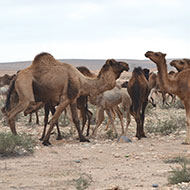
Feral camels are said to emerging from the arid landscape into nearby communities in search of water.
A major cull of thousands of feral camels is underway in South Australia owing to extreme heat and drought.
The move comes after aboriginal communities in the Anangu Pitjantjatjara Yankunytjatjara (APY) region said thousands of camels had been damaging their houses and other buildings.
In a statement, the APY said that feral camels are emerging from an arid landscape and moving into nearby communities in search of water. The cull is expected to last around five days and is being supported by the Department for Environment and Water.
APY's general manager Richard King said: “There is extreme pressure on remote Aboirignal [sic] communities in the APY lands and their pastoral [livestock] operations as the camels search for water. Given ongoing dry conditions and the large camel congregations threatening all of the main APY communities and infrastructure, immediate camel control is needed."
According to BBC News, the cull is not connected to Australia’s recent bushfires. Large regions of Australia have been in drought for many years.
APY executive board member Marita Baker, said: “We have been stuck in stinking hot and uncomfortable conditions, feeling unwell, because all the camels are coming in and knocking down fences, getting in around the houses and trying to get water through air-conditioners.
"They are roaming the streets looking for water. We are worried about the safety of the young children”.
The cull of the camels, along with some feral horses, is being carried out by aerial marksmen from Australia’s Department for Environment and Water.


 Veterinary practices are being urged to help owners safely dispose of any unused and expired pet medicines - not just antibiotics - during November's Animal Medicines Amnesty.



