


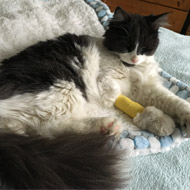
Public urged to check outbuildings for missing moggies
A campaign calling on people to check their sheds and garages before locking them has been launched by Cats Protection.
The Look Before You Lock campaign comes in response to a rise in missing cat reports during the last month. Cats Protection said that its information line handled around 250 calls in July, a 60 per cent increase on the monthly average.
Behavioural manager Nicky Trevorrow attributed the rise to the recent spell of hot weather.
“The tendency for cats to wander further away from home when the weather is warm explains why there has been an increase in reports of missing cats during this recent heat wave,” she said.
“They are notoriously curious creatures that like to investigate their surroundings and unfortunately this can result in them getting trapped in outbuildings. And because cats won’t always meow for attention if they are afraid, the risk is they go unnoticed so we’re asking people to have a really good check before locking up, particularly if you are aware of any cats missing in your area.”
Owner Molly Rayment from St Alban knows all-too-well the heartbreak a missing pet can cause. When her cat Wispa disappeared in May she feared the worst, as it was very unlike the moggy to be gone for more than a few hours.
Molly searched the local area, posted on social media, contacted vets and charities, but to no avail. After 20 days, however, she received a call from one of her neighbours to say they had found a cat in their garage.
Molly rushed over and, as soon as she opened the garage door, knew it was Wispa inside. She was shocked by the terrible state she was in.
“She was desperately dirty and thin. I think she must have been living off of rainwater that had leaked in and maybe some insects or mice,” she said.
A trip to the vets revealed that Wispa weighed just 1.9kg - 2kg less than her normal healthy weight - and the vet said she wouldn't have survived another couple of days. Thankfully, she is now on the road to recovery and enjoying lots of fuss and cuddles.
For more information about Cats Protection's Look Before Your Lock campaign, including a downloadable door hanger, visit https://www.cats.org.uk/check-your-shed
Image (C) Cats Protection


 Companies marketing medicines for small pets exempt from authorisation must submit their annual return to the Veterinary Medicines Directorate (VMD) by 30 November 2026.



