


Vets welcome new Trade and Agriculture Commission
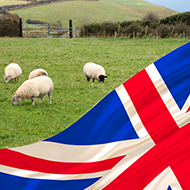
The Commission will make recommendations for higher animal welfare standards across the world.
Vets have welcomed the announcement of a new Trade and Agriculture Commission, announced by trade secretary Liz Truss on Monday (29 June).
The Advisory Commission will consider the policies that the UK Government should adopt in free trade agreements to ensure UK animal welfare and production standards are not undermined.
The commission will make recommendations for:
- UK agricultural trade policy
- higher animal welfare standards across the world
- export opportunities for British farming.
BVA senior vice president Simon Doherty said: “The veterinary profession has always been clear that any new trade agreements must not undermine the UK’s high animal health and welfare standards. Along with our colleagues in the farming industry we have been pushing for this commitment to be enshrined in legislation.
“We welcome the new Trade and Agriculture Commission but it is essential that veterinary expertise is at the heart of its membership and remit. Vets are critical to facilitating international trade and are committed to protecting and enhancing animal health and welfare and public health.
“Although the Commission only has an advisory role it is important that its advice is genuinely listened to and acted on by the Government. There is huge public concern about a lowering of animal welfare standards and consumers need to have confidence in what they are buying.”
NOAH chief executive Dawn Howard also welcomed the announcement, commenting: “As we have outlined in our Vision for UK Animal Health and Welfare, high standards of animal health are an integral part of excellent animal welfare and food standards, something that British consumers expect and support.
“This move is a positive development: not only with the potential to deliver benefits in terms of animal welfare in the UK and beyond but to also support raising productivity, improved sustainability and resilience of UK farms – helping them to capitalise on opportunities for trading internationally and strengthening our food security.
“We look forward to supporting the Commission in matters relating to animal health,” she said.


 Veterinary practices are being urged to help owners safely dispose of any unused and expired pet medicines - not just antibiotics - during November's Animal Medicines Amnesty.



