


Bayer issues warning over fake Seresto collars
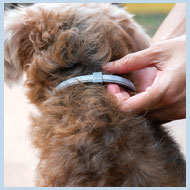
Bayer says the Seresto collar has become a prime target for fraudsters.
Bayer is making vets aware of a growing problem with counterfeit Seresto flea and tick collars. The company has released a video to help vets identify the illegal products.
The Seresto collar promises to protect pets from fleas and ticks for up to eight months, but Bayer says it has become a prime target for fraudsters.
“It is something we have been dealing with on a smaller scale for a while, but is becoming a more prominent problem with the increasing popularity of the product in the UK,” said Hannah Watts, senior brand manager for the product.
“Illegal products are damaging for everyone: for companies who invest heavily in bringing safe, efficacious products to market only for them to be undersold, for pet owners who waste money buying illegal products that don’t work, and for pets who receive treatments and preventatives that do not promote their health, but instead may even pose a risk to it.”
The company has launched a campaign to educate pet owners on where to buy the product safely. It says vets can play a key role in helping to stamp out the illegal products, by identifying and reporting the fake collars when they come across them in consultation with pet owners.
Hannah Watts added: “We want to ensure vets are aware that counterfeit products are out there, and equip them with the knowledge to be able to identify them, particularly where a pet owner has purchased an illegal collar under the impression it is Seresto, only to experience a treatment failure, where these animals may be presented to a vet.
“It is only if we are informed about these cases, we can get to the root of the problem, and ensure more pets and their owners don’t fall victim.”
Bayer have released the following video to help vets identify fake collars:


 Veterinary practices are being urged to help owners safely dispose of any unused and expired pet medicines - not just antibiotics - during November's Animal Medicines Amnesty.



