


Changes to assessment of maximum residue limits
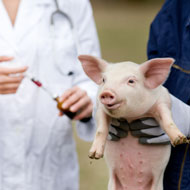
An MRL is the highest level of residue from a veterinary medicine that is legally allowed in food for human consumption.
Three new regulations to strengthen the assessment of maximum residue limits (MRLs) of veterinary medicines in food-producing animals have been implemented by the European Medicines Agency.
The measures will also serve as key reference documents for companies who apply for the establishment of MRLs for their respective medicine.
An MRL is the highest level of residue from a veterinary medicine that is legally allowed in food for human consumption. Under EU law, food from animals must not contain levels of veterinary medicine that might represent a hazard to the health of the consumer.
The first measure, adopted in January 2017, changes the structure of the documentation to be included in the application dossier for an MRL application by including a new chapter on risk management considerations. It also changes the position in the dossier of the so-called detailed and critical summaries - a summary report provided by experts.
Measure two, adopted in May 2017, aims to increase the availability of veterinary medicines. It outlines the principles and minimum criteria for the extrapolation of an MRL to either another foodstuff from the same species, or to the same foodstuff from another species.
The third measure, adopted in May 2018, describes the methodology to be used in the scientific risk assessment and establishment of risk management recommendations relevant to MRL applications. The new rules will replace the existing guidance on MRLs in Volume 8 of “The rules governing medicinal products in the European Union" as of 19 June 2018.


 Companies marketing medicines for small pets exempt from authorisation must submit their annual return to the Veterinary Medicines Directorate (VMD) by 30 November 2026.



