


Equine charities welcome agreement with OIE
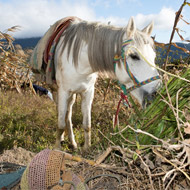
The agreement is set to improve animal welfare globally.
Equine charities have welcomed an agreement with the World Organisation for Animal Health (OIE) that is set to improve animal welfare across the world.
Last week, the International Coalition for Animal Welfare (ICFAW) and the OIE signed a cooperation agreement that will further advance their close working relationship. As ICFAW members, The Donkey Sanctuary and World Horse Welfare have hailed the agreement, which will give them more power to influence OIE animal welfare activities.
“This is a great day for animal and equine welfare. As a member of ICFAW, World Horse Welfare is delighted that the OIE has formally recognised our coalition as a partner in helping to set and improve animal welfare standards worldwide, particularly those regarding horses, donkeys and mules,” said World Horse Welfare chief executive Roly Owers.
Valentina Riva, advocacy manager at The Donkey Sanctuary, adds: “The agreement gives us more influence, official status and a formal platform to engage directly with the OIE and to participate in its activities. Most of the OIE animal welfare-related activities now aim to focus on the UN Sustainable Development Goals (SDGs).”
The agreement between the OIE and the ICFAW will cover cooperation activities on the roles and responsibilities of the veterinary profession on animal welfare, cooperation on the development and revision of international animal welfare standards and guidelines that are relevant to both organisations.
ICFAW chair Alexandra Hammond-Seaman, says: “In recent years ICFAW and OIE have established excellent collaboration and many ICFAW members are supporting and participating in OIE lead initiatives developed to assist implementation.
“We are delighted that in this General Session a formal cooperation agreement between ICFAW and OIE has been adopted and we believe that by working together we can better meet the animal welfare challenges ahead and promote good animal welfare practices, which ultimately benefit animals and people.”


 Veterinary practices are being urged to help owners safely dispose of any unused and expired pet medicines - not just antibiotics - during November's Animal Medicines Amnesty.



