


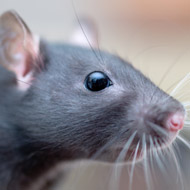
Institutions publish figures as part of openness pledge
Ten universities collectively carried out a third of all UK animal research last year, according to new figures published as part of an ongoing commitment to greater openness.
Between them, the institutions conduct more than two thirds of all animal research at UK universities, equating to a total of 1.4 million procedures. Over 99 per cent of these involved rodents or fish and were almost evenly divided between experimental work and the breeding of genetically modified animals.
This is the second year in a row that universities have published numbers and examples of their research. All 10 are signatories to the Concordat on Openness in Animal Research in the UK, which is a commitment to be more open about the use of animals in UK research. In total, 115 organisations have signed it.
| University | Total procedures |
| University of Oxford | 217,765 |
| University College London | 203,744 |
| University of Edinburgh | 203,285 |
| University of Manchester | 174,120 |
| University of Cambridge | 155,394 |
| King's College London | 155,058 |
| Imperial College London | 101,369 |
| University of Sheffield | 83,130 |
| University of Birmingham | 54,728 |
| University of Glasgow | 50,566 |
Wendy Jarrett, chief executive of Understanding Animal Research, which developed the concordat, said: “The Concordat has fostered a culture of openness at research institutions up and down the country. Institutions now provide an unprecedented level of information about how and why they conduct medical, veterinary and scientific research using animals.
“Almost two-thirds of the university Concordat signatories provide their animal numbers openly on their website – accounting for almost 90 per cent of all animal research at UK universities.
“All universities are committed to the ‘3Rs’ - replacement, reduction and refinement - which means avoiding or replacing the use of animals in research where possible, using minimal animals per experiment and minimising suffering.
Dr Martin Vinnell of the University of Cambridge added: “All of us involved in biomedical research believe it is vital that we are completely open about our use of animals and that is why we are joining the UK’s other leading research universities in collectively releasing our statistics, in addition to our other efforts in support of transparency as part of the Concordat on the Declaration of Openness.
"Although the use of animals continues to contribute to our understanding of health and disease and in the development of medical treatments, medicines and surgical techniques that we take for granted, there must be no complacency in our shared goal of replacement, reduction and refinement of the use of animals. At the same time, the welfare of animals has to be paramount.”


 BVA has announced a new series of its Building Great Workplaces lunchtime webinars.



