


Project to increase resilience of dairy industry
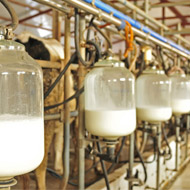
The N8 AgriFood programme is one of five projects being funded by the UK’s Global Food Security programme.
A major project that aims to make the UK dairy industry more sustainable and resilient has been launched.
The N8 AgriFood programme will look at issues around environmental impact, animal health and farmer incomes in a post-Brexit UK.
Incorporating researchers from the Universities of Newcastle, Leeds and Liverpool, the project is being funded through the UK’s Global Food Security programme. It will involve collaboration with a range of stakeholders in the dairy industry, including FirstMilk.
“We are very excited about this project. It builds on the University of Liverpool’s strengths in food systems, infectious diseases and socio-economics,” said professor Diana Williams from the University of Liverpool’s Institute of Infection and Global Health.
“We will work with dairy farmers to investigate the relationship between managing the environment and changing disease risk while improving dairy sector resilience, to maintain long-term milk supplies for consumers at reasonable prices.”
Professor Mark Reed, who is leading the project from the University of Newcastle, added: “The project is about balancing competing demands and pressures in the industry.
“We aim to explore innovative ways of making dairy systems better for the natural environment and for farmers’ livelihoods, while maintaining long-term supplies for consumers at reasonable prices, at a time of unpredictable challenges like climate change.”
The N8 AgriFood programme is one of five projects being funded by the UK’s Global Food Security programme.
The projects bring together researchers and food producers, manufacturers and retailers working in several areas; from understanding the role of phosphorus as a key nutrient in crop and livestock production to better understanding of how different landscapes affect crop-pollinating insects.
For more information about the projects, visit foodsecurity.ac.uk


 Veterinary practices are being urged to help owners safely dispose of any unused and expired pet medicines - not just antibiotics - during November's Animal Medicines Amnesty.



