


RSPCA figures show sharp rise in abandoned reptiles
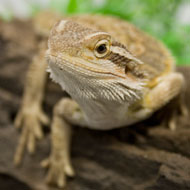
Many of the calls to the RSPCA relate to abandoned reptiles.
Over 1,000 calls about abandoned exotic animals have been received by the RSPCA so far this year, according to new figures.
The charity say that many of these calls relate to abandoned reptiles - in particular, corn snakes, leopard geckos, bearded dragons, terrapins and Royal pythons.
A lack of research and understanding are thought to be contributing factors to these animals being abandoned, as Nicola White, RSPCA’s senior scientific officer in exotics and trade, explains:
“Exotic pets, particularly reptiles such as bearded dragons, have increased in popularity and the number of related call outs we deal with at the RSPCA has risen by over one hundred percent in ten years.
“We feel that lack of knowledge on how to care for the animal, cost of vet bills and feeling unable to cope with the commitment of caring for an exotic animal are likely to be contributing factors to these animals being abandoned.
“These are amazing animals but we are really urging people to do their research before they take on a reptile, or another exotic animal, as a pet, so they are confident they can provide everything the animal needs for its whole life - which could be many years; some are so long-lived they could actually outlive their owners.”
On Sunday evening (6 November), the nation cheered on marine iguanas during the BBC documentary Planet Earth II as they were hunted down by racer snakes. Now the RSPCA hopes to use this momentum to showcase some of the rescued reptiles in their care.
One of these reptiles is Jafar, a bearded dragon who was brought to the RSPCA after his previous owner failed to provide him with the right living environment.
“Poor Jafar was extremely stressed when he came into our care. He really struggled to adjust because he had not had the right kind of care in his previous home. He was neglected,” said RSPCA Stockport manager, Susie Hughes.
“Since then he has really settled into his new life and is so much happier and healthier. Jafar is a fantastic character and we just want to find him the perfect home that he deserves with someone who understands how to look after him properly.”


 Veterinary practices are being urged to help owners safely dispose of any unused and expired pet medicines - not just antibiotics - during November's Animal Medicines Amnesty.



