


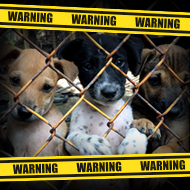
Dogs Trust warns of the perils of buying pets through online adverts.
Pet lovers are being warned about the perils of being 'Dogfished' after six puppies were found covered in engine oil in the back of a van.
The Dogs Trust is warning people against buying pets via online adverts, particularly as the demand for puppies soared during lockdown.
Since the 23 March, the charity has rescued 43 dogs that were illegally imported into the UK from central and eastern Europe, with an estimated street value of £80,000. It has also rescued 53 puppies born to 12 pregnant mums, worth around an additional £100,000.
The latest victims were six puppies found drenched in engine oil, seized in the back of a van at Dover. They had been illegally imported from Romania, despite the coronavirus lockdown restrictions in the UK preventing non-essential travel.
“It is absolutely heart-breaking that we continue to see dogs being illegally imported into the country, often in terrible conditions to make huge profits for cruel puppy smugglers,” commented Paula Boyden, Dogs Trust veterinary director.
"We might be in the midst of a pandemic, but these devious sellers will still use every trick in the book to scam unsuspecting dog lovers.”
She continued: “Sadly, it’s all too easy to be Dogfished and it can be very difficult to know if you are buying a puppy that has been smuggled. We would advise you to always see a puppy with and interacting with their mum and go and see it more than once.
“Ask lots of questions, and ask to see vital paperwork, such as a puppy contract. If you have any doubts or it feels too good to be true, as hard as it may be, walk away and report the seller.
According to data from Propellernet, Google searches for ‘buy a puppy’ increased by 120 per cent when the lockdown was announced.
Dogs Trust is asking the nation to consider whether now really is the right time to be getting a dog and, if it is, to make sure they are sourcing their puppy responsibly without falling victim to illegal puppy smugglers.
It is also calling on immediate action from the Government after it promised in its manifesto to crack down on puppy smuggling. In particular, it is calling for:
- A requirement for every dog to have a rabies blood test before entry into the UK, together with a waiting period which is in line with the incubation period of rabies. This would significantly increase the minimum age for importing dogs and help to stop the trade.
- Visual checks at ports carried out by enforcement agencies with animal welfare expertise, with physical checks where necessary.
- Stronger penalties for puppy smugglers caught illegally importing dogs into the country which will act as a deterrent for this abhorrent trade.


 Veterinary practices are being urged to help owners safely dispose of any unused and expired pet medicines - not just antibiotics - during November's Animal Medicines Amnesty.



