


Antibody could aid development of new preventative drugs
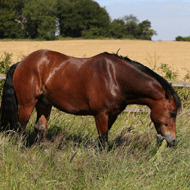
Scientists say they have shed new light on the link between high levels of insulin and equine laminitis.
It has been known for some time that high insulin levels can cause acute endocrine laminitis - the most common form of the condition - which is seen when ponies and some horses graze lush pasture or consume a diet that is rich in sugar or starch.
However, the mechanism by which insulin can produce effects in the foot leading to laminitis has been the subject of much debate in recent years. Scientists have previously been confused by the fact that insulin must interact with a specific receptor on the surface of cells to product an effect, but there do not appear to be any insulin receptors on hoof lamellar cells.
Researchers from the University of Melbourne and WALTHAM Equine Studies Group looked at the effect of insulin on equine hoof lamellar cells in the laboratory, exploring the similarities between insulin and a growth factor hormone called insulin-like growth factor -1 (IGF-1).
There are receptors for IGF-1 on the lamellar cells and the research team found high levels of insulin stimulated the cells to proliferate. In addition, this effect could be prevented with an antibody that specifically blocks just the IGF-1 receptor.
Changes within the cells were mainly linked to very high concentrations of insulin. Such concentrations are not commonly seen in normal horses considered to be at lower risk of laminitis, but can be seen in those with insulin dysregulation linked to equine metabolic syndrome.
Future research will look at how these cellular changes might cause laminitis, but researchers said it appears that targeting IGF-1 receptors may help with the development of new drugs to prevent laminitis.
Image © Spillers


 Companies marketing medicines for small pets exempt from authorisation must submit their annual return to the Veterinary Medicines Directorate (VMD) by 30 November 2026.



