


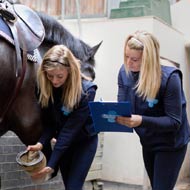
Latest NEHS identifies top equine health issues
Lameness is three times more likely to be caused by a problem in the limb than the foot, according to the results of the latest National Equine Health Survey (NEHS).
This year, 18 per cent of horses were recorded as lame. Of these, less than 5 per cent were caused by foot problems. Meanwhile, 13.5 per cent were said to be caused by conditions such as osteoarthritis, or degenerative joint disease.
These findings echo those from previous years, which according to the RVC's Josh Slater, suggests the NEHS is now producing evidence, rather than opinion.
"While the lameness figures were initially surprising, given that the foot has been generally regarded as the main problem area, the fact that these figures have remained consistent over the past three years gives constructive credibility to the data."
Blue Cross runs the NEHS each May, in partnership with the BEVA. This year, records were returned for nearly 15,000 horses, ponies, donkeys and mules - a rise of 35 per cent compared to last year.
The findings revealed the top six health issues affecting UK horses:
1. Lameness - 18 per cent of horses
2. Skin diseases (sweet itch, mud fever and external parasites) - 17.2 per cent
3. Back problems - 7 per cent
4. Recurrent airway obstruction - 6.7 per cent
5. Laminitis - 6.4 per cent
6. PPID (equine Cushing's disease) - 6.4 per cent confirmed or suspected
In addition, nearly a quarter (23.2 per cent) of horses were recorded as overweight, with a body condition score of between 3.5 and 5. This continues the upward trend seen in previous years (16.9 per cent last year and 7.8 per cent in 2013).
Next year, the survey will look at the links between obesity and the rise of obesity-related diseases such as equine metabolic syndrome and laminitis.
New questions will also be added on gastric ulcer syndrome, after 11 per cent of the free text answers submitted this year mentioned the condition.
Full survey results for NEHS 2015 can be found here: http://www.bluecross.org.uk/nehs2015results
Image courtesy of Blue Cross


 A nationwide roadshow offering free, personalised parasite risk assessments and flea and tick checks will be visiting popular dog events across the UK.



