


Candidate hopes to address staffing problems
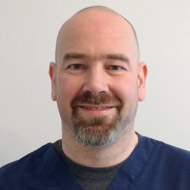
David has a strong interest in evidence-based veterinary medicine and has contributed to EBVM clinics across the UK.
With almost two decade’s experience in practice - working in both clinical and training roles - RCVS Council candidate David Leicester believes he understands the challenges facing the veterinary profession and can offer a fresh perspective.
As assistant head of veterinary standards at Vets Now, David handles professional standards, clinical strategy and clinical training of new and existing staff. If elected to Council he hopes to address significant staffing challenges in practice, which may become more complex as Britain prepares to leave the EU.
‘As more new graduates choose to leave the profession early, or take extended career breaks, the RCVS and the general profession need to look at ways to increase our flexibility, to engage young vets and enable working parents to juggle home and work life,’ he writes.
‘I am still working in clinical practice and I have been closely involved in the development of young vets through mentoring and life case discussions for the past 10 years. I am proud to be part of an organisation that actively supports young vets and promotes female vets to leadership positions’.
David has a strong interest in evidence-based veterinary medicine and has contributed to EBVM clinics across the UK. He is particularly interested in the role clinical governance plays in the development of clinical practice and the development of significant event reviews.
‘What can we learn from our mistakes? What processes can we change? How can we share that knowledge? Not, who is to blame? If veterinary medicine is to continue to progress, these are all areas that are vital to our success as a profession,’ he continues.
David qualified from the RVC in 1997 and worked in busy small animal practices in London and Derby for just over three years. After working as a small animal locum for several years, David joined Vets Now as a senior veterinary surgeon, treating private and PDSA charity cases. He has since held various clinical roles both within the company and whilst working in clinics.
Outside of work, David is married with two children aged five and eight. He also enjoys walking, cycling, rock climbing and bouldering.
Ballot papers and candidates’ details will be posted to all veterinary surgeons and veterinary nurses eligible to vote during the week commencing 13 March. All votes must be cast, either online or by post, by 5 pm on Friday, 28 April 2017.


 Companies marketing medicines for small pets exempt from authorisation must submit their annual return to the Veterinary Medicines Directorate (VMD) by 30 November 2026.



