


Neonicotinoids research uncovered by FOI request
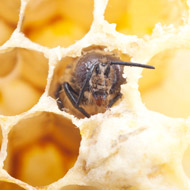
However, the studies have been criticised for focusing solely on honeybees, when research has shown wild bees may be at greater risk from neonicotinoids.
Studies commissioned by Bayer and Syngenta have shown their own neonicotinoid pesticides can cause serious harm to honeybees, a freedom of information (FOI) request has revealed.
The research findings were obtained by Greenpeace from the US environmental regulator. The studies, which were designed with regulators, focused on Bayer's clothianidin and Syngenta's thiamethoxam.
Greenpeace Energydesk is not allowed to release the studies in full due to commercial confidentiality rules, but both studies showed the pesticides can seriously harm honeybees at high concentrations (50 parts per billion - ppb). The effects are less marked at lower levels of 40 ppb.
The companies responded by saying that while the studies did show a risk to honeybees, this only applied at higher concentrations than would normally be seen in agriculture.
Responding to Energydesk's story, a spokesperson for Bayer said: "Based on these results, we believe the data support the establishment of a no-effect concentration of 20 ppb for clothianidin, which is consistent to that of other neonicotinoids."
A Syngenta spokesperson added: "There were transient effects observed and the reported No Adverse Effect Level (NOAEL) for this study was 50 ppb. It is accepted that residues of thiamethoxam in pollen and nectar from seed treated crops are in the single ppb level. So this reported NOAEL of 50 ppb indicates that honey bee colonies are at low risk from exposure to thiamethoxam in pollen and nectar of seed treated crops."
However, the studies have been criticised for focusing solely on honeybees, when research has shown wild bees may be at greater risk from neonicotinoids. As a result, Greenpeace Energydesk said in a statement that the studies may substantially underestimate the impact of these chemicals on pollinators.
Conservationists have also found fault with the narrow definition of harm to honeybee health and fact that the studies were not conducted in 'normal' field conditions - bee colonies were fed a spiked sugar solution.
Matt Shadlow, chief executive of the charity Buglife, told the Guardian: "These studies may not show an impact on honeybee health [at low levels], but then the studies are not realistic. The bees were not exposed to the neonics that we know are in planting dust, water drunk by bees and wildflowers, wherever neonics are used as seed treatments. This secret evidence highlights the profound weakness of regulatory tests."
The revelation has prompted calls for greater transparency from the industry and regulators. Christian Krupke, an entomologist at Purdue University, said: "Bayer and Syngenta’s commitment to pollinator health should include publishing these data or otherwise making them public. This work presents a rich dataset that could greatly benefit the many publicly funded scientists examining the issue worldwide, including avoiding costly and unnecessary duplication of research."
According to Bayer, the research will be presented next week at the Congress of Entomology in Orlando, while Syngenta says their study is in the process of being published in a journal.
The US Environmental Protection Agency (EPA) is currently reviewing the impact of neonicotinoids. Early this year, stage one of the review found imidacloprid, which is made by Bayer, harmed honeybees. Its findings on clothianidin and thiamethoxam are due to be published in 2017.


 Companies marketing medicines for small pets exempt from authorisation must submit their annual return to the Veterinary Medicines Directorate (VMD) by 30 November 2026.



