


Practices urged to report “gastroenteritis-like cases” in dogs
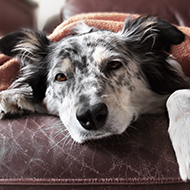
Dr Shotton stressed that there was not enough available evidence to speculate on the reasons for the surge in cases.
Veterinary practices are being urged to report "gastroenteritis-like cases" in dogs to help researchers investigate a ‘mystery’ bug spreading in parts of North East England.
The call follows reports about dogs presenting with severe vomiting and diarrhoea in Yorkshire, sparking concerns it could be linked to walks on the local beaches.
Defra said that it is aware of the situation, while researchers from the University of Liverpool’s Small Animal Veterinary Surveillance Network (SAVSNET) are studying a possible seasonal link to the cases.
In an interview with BBC Radio 4 on Friday (14 January), BVA president Justine Shotton called on veterinary practices to report any cases to help researchers in their investigations:
“BVA is asking vets to report any gastroenteritis-like cases to SAVSNET to help researchers build a clearer picture of the outbreak and to investigate if the spike is part of normal seasonal variation or if a specific virus or bacteria is at play.”
Dr Shotton stressed that there was not enough available evidence to speculate on the reasons for the surge in cases, or any possible links to the beaches or environment. She advised owners to remain calm and to speak to their vet if they have any concerns.
She said: “We are aware of a recent spike in cases of dogs falling ill from gastroenteritis-like symptoms in several parts of Yorkshire and North East England. Vets see gastroenteritis cases relatively commonly in practice, but numbers seem to be increasing and more widespread than usual.
“At this time, we can't speculate on what might be causing the symptoms, and there is currently no evidence to suggest a direct link between the illness and the dogs visiting the beaches. We’ve heard reports from vets in the area who are really far inland and they are also seeing an increase in these kinds of cases in dogs that have never been to the beach, so I’m not sure yet if we have enough information to make that link.”

 Livestock keepers are being urged to stay vigilant for Bluetongue (BTV-3) following confirmation of the disease in a ewe. The case, confirmed in Staffordshire on 23 June 2026, represents the first confirmed case of infection this summer.



