


Compulsory poultry housing restrictions lifted
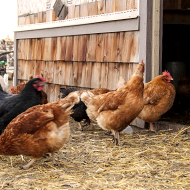
The risk of avian influenza with good bisecurity has been reduced to 'low'.
Compulsory housing measures for poultry and captive birds were lifted on Thursday (31 March), but biosecurity measures will remain in place ‘until further notice’, the UK’s chief veterinary officers have confirmed.
First introduced in December to prevent the spread of avian influenza, the housing measures followed several confirmed cases of the disease in England. The most recent was a case of highly pathogenic H5N8 avian flu in captive birds near Skelmersdale, West Lancashire, on 31 March 2021.
Defra stressed that while the risk of avian flu in poultry with good biosecurity has reduced to ‘low’, it remains at ‘medium’ where there is poor biosecurity. As such, bird keepers are being urged to maintain enhanced biosecurity requirements, introduced as part of the Avian Influenza Protection Zone (AIPZ) on 11 November.
Extra precautions, such as cleaning and disinfecting equipment and limiting access to non-essential people on site, are also being encouraged.
In a joint statement, Great Britain’s three Chief Veterinary Officers said: “This will be welcome news for poultry keepers across the country who have put great effort into keeping their flocks safe this winter.
“We have taken swift action to contain and eliminate this disease and all bird keepers - whether they have just a few birds or thousands - must continue to do their bit to maintain strict biosecurity measures on their premises so that we do not lose the progress that we have made over the past few months as Low risk does not mean No Risk.”


 Defra has published guidance for the vet sector ahead of a proposed UK-EU Sanitary and Phytosanitary agreement.



