


Chief vets urge bird keepers to strengthen their biosecurity measures.
The UK's chief veterinary officers (CVOs) have raised the risk level of avian influenza in wild birds from 'medium' to 'high', after two confirmed cases of avian influenza in England and further cases reported in mainland Europe.
Chief vets from England, Scotland, Wales and Northern Ireland have also raised the risk of level for the disease being introduced to poultry farms in Great Britain to 'low' to 'medium'. The risk of avian influenza in Northern Ireland remains medium for wild birds and low for poultry, but is being kept under review.
A strain of H5N2 avian influenza was first confirmed on Monday (2 November) at a small commercial farm in Kent. All 480 birds on site have been humanely culled, and a 1km Low Pathogenic Avian Influenza (LPAI) Restricted Zone has been introduced to curb the spread of the disease.
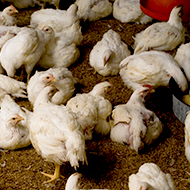
A separate, unrelated strain of highly pathogenic H5N8 was later confirmed at a broiler farm in Cheshire on Tuesday (3 November). A 3km protection zone and 10km surveillance zone were put in place, and all 13,500 birds at the farm have been humanely culled.
A joint statement for the UK's CVOs reads: “We have acted quickly to prevent the spread of disease at both sites in England and are continuing to monitor the situation closely. Bird keepers should remain alert for any signs of disease and report suspected disease immediately.
“It is important now more than ever that bird keepers ensure they are doing all they can to maintain and strengthen good biosecurity on their premises to ensure we prevent further outbreaks.”
In recent weeks, there have been several confirmed reports of avian influenza in wild birds including geese and swans in the Netherlands and north of Germany. These wild birds are all on the waterfowl flyway from breeding grounds in western Russia, where the H5N8 strain was reported in poultry in mid-October.


 The BSAVA has opened submissions for the BSAVA Clinical Research Abstracts 2026.



