


Study highlights risks of feeding a raw meat diet
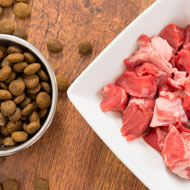
"The results obtained in this study show that it is highly important to handle RMBD carefully."
The potential health risks of raw meat-based diets (RMBD) to both animals and humans have been highlighted in a new study.
A paper published in Vet Record, concludes that dogs in families with young or immunocompromised individuals should not be fed RMBD, as these groups are more susceptible to infections.
In the study, researchers analysed frozen samples from 60 RMBD from 10 different manufacturers. According to the labels, the products originated from Sweden, Norway, Finland, Germany and the UK.
Unlike processed pet foods, the samples had not undergone any drying or heat treatment before freezing.
The researchers found that all 60 samples contained enterobacteria, with 31 of these samples exceeding the threshold set by EU regulations (5,000 bacteria per gram).
They also found that two of the samples contained levels of C.perfringens that exceeded the maximum level permitted by Swedish National Guidelines (5,000 bacteria per gram).
Furthermore, four of the samples contained salmonella - a figure that was higher than the researchers expected - and three of the samples contained campylobacter.
“The results obtained in this study show that it is highly important to handle RMBD carefully and to maintain good hygiene, due to the potential risks these feeds pose to human and animal health,” say the researchers.
“The RMBD should be kept frozen until used, thawing should take place at a maximum of 10°C and the thawed product should be separated from human food and handled with separate kitchen equipment, or with the equipment properly washed after use.”
The researchers note that dogs should not be fed RBMD while they are being treated with antimicrobials as this could increase the risk of resistant strains been selected and multiplying.
The study was carried out by researchers at the Swedish University of Agricultural Sciences and the Swedish National Veterinary Institute.


 Defra has published guidance for the vet sector ahead of a proposed UK-EU Sanitary and Phytosanitary agreement.



