


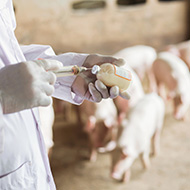
UK-VARSS 2021 report shows sales have more than halved since 2014
UK antibiotic sales for food-producing animals have fallen by 55 per cent since 2014, according to new figures, representing the lowest sales to date.
The findings, released on Tuesday (8 November), form part of the latest Veterinary Antimicrobial Resistance and Sales Surveillance (UK-VARSS 2021) report, showing how the UK is maintaining effective antibiotic stewardship in livestock.
Published by the Veterinary Medicines Directorate (VMD), the report highlights a fall in antibiotic use by the chicken, pig, duck and trout sectors and a 'concerted effort' into reducing the use of 'last resort' antibiotics critical to treating disease in humans.
It also shows that sales of these highest-priority antibiotics have declined for a seventh consecutive year, with an 83 per cent fall since 2014.
Abigail Seager, chief executive of the VMD said of the findings: “I’m delighted with the continued progress in so many areas of this year’s UK- VARSS report. The overall decreasing trends in antimicrobial usage and resistance levels in livestock shows the UK has continued in its mission to build on the antibiotic stewardship principles we have implemented in the past seven years.
“Our evolving surveillance programmes are essential to alert us to any emerging risks or unexpected changes. The UK’s collaborative and voluntary approach to reducing antimicrobial usage in farming is one we are very proud of.”
Christine Middlemiss, the UK’s chief veterinary officer, added: “Antimicrobials are the cornerstone to treating infection in humans and animals and using them responsibly is essential in safeguarding their effectiveness.
“The UK as a whole is making sustained progress in reducing the unnecessary use of antibiotics through effective disease control measures, good farming practices and robust AMR surveillance. Tackling antimicrobial resistance requires a One Health approach and this record reduction shows how alongside vets, farmers and industry, we are demonstrating this year after year.”
Tuesday (8 November) also marks the publication of the RUMA Targets Task Force report, summarising the second year of progress against the current set of antibiotic use targets, spanning 2021-2024. Covering 10 sectors across pigs, poultry, aquaculture and ruminants, the report highlights where targets are already being achieved or sustained, and where challenges still remain.
RUMA chair Cat McLaughlin said of the report: “Some sectors, in response to specific disease outbreaks or other factors, have seen some increases in usage in order to effectively address these challenges and protect animal welfare. This reinforces the point that antibiotics are a vital tool to ensure healthy animals and high welfare standards. The focus is not on zero use, but responsible use.”


 Companies marketing medicines for small pets exempt from authorisation must submit their annual return to the Veterinary Medicines Directorate (VMD) by 30 November 2026.



