


Exotic pet abandonment is at 'epidemic' level
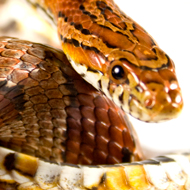
The trend for exotic pets has resulted in a growing concern among welfare charities.
The number of exotic pets being abandoned has reached 'epidemic' proportions, a wildlife sanctuary in Staffordshire has warned.
Gentleshaw Wildlife Centre told BBC News it now has a waiting list to help it cope with a surge in referrals as owners realise they cannot cope with their animals.
A video clip shared by the BBC shows monkeys, a hybrid wolf and a barn owl - all of which were bought as pets and given up by their owners.
The small sanctuary in Eccleshall, which is open to the public, cares for exotic animals and birds of prey. It is home to more than 30 species of primate, bird of prey, reptile, invertebrate, racoon, cat, and more. It also houses a hospital unit for wild raptors (which is not open to the public).
The trend for exotic pets has resulted in a growing concern among welfare charities about owners purchasing complex animals having done little or no research, then abandoning them when they realise how difficult they are to look after.
Just last month a report by a coalition of animal welfare charities suggested there are around 5,000 primates being kept as pets across the UK, but many are suffering as owners fail to meet their social, dietary and environmental needs. It is the belief of the coalition that the complex needs of these species are extraordinarily difficult to meet in the home, and keeping primates as pets should therefore be banned.


 A nationwide roadshow offering free, personalised parasite risk assessments and flea and tick checks will be visiting popular dog events across the UK.



