


New findings published on alcohol use in vet sector
(Caption here)
The findings of an alcohol-focused study has revealed the proportion of vets which may be drinking at risk.
The research project saw 652 veterinary professionals, including vets, vet nurses and non-clinical roles, complete a survey on their alcohol usage.
It discovered that around 40 per cent of participants were drinking to at least some level of risk. This behaviour could be linked to drinking to cope, drinking for pleasure and poor mental health.
Based on this, researchers have recommended that interventions to reduce drinking and improve help-seeking should focus on adaptive coping techniques. They also called for better education on low risk drinking and stigma reduction.
The project was funded by the Mind Matters Initiative (MMI) in 2024, in the initiative’s first research grant programme of the 2024 round.
It proposed to explore the existing attitudes, beliefs and alcohol use behaviours of professionals in clinical settings in the sector. Through these discoveries, researchers hope to improve the support offered to those looking to reduce alcohol consumption.
The research team, from Oxford Brookes University, consists of Dr Jennifer Seddon, Dr Olivia Cormier MRCVS and Dr Emma Davies.
Dr Cormier said: “Before now, the most recent data we had in this area dated back to 2009. We’re therefore really pleased to be providing new insights.
“Now, not only do we understand more about what the current situation looks like surrounding alcohol consumption in the UK veterinary professions, but we can use this knowledge to learn how to best provide support to this group. I’m currently undertaking a PhD, supervised by Dr Seddon and Dr Davies, which will take this work forward and help develop tailored support tools.”
Rapinder Newton, RCVS MMI lead, said: “Investing in veterinary mental health research not only advances our understanding of key issues but also helps drive the evidence-base and systemic change needed to make a real difference.
“As a funder, we’re proud to have supported this important research and are delighted that Olivia, as an early career researcher, will continue to build on these findings through her PhD.”
The full study has been published on the VetRecord website.
Image © RCVS

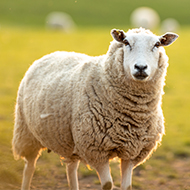
 Livestock keepers are being urged to stay vigilant for Bluetongue (BTV-3) following confirmation of the disease in a ewe. The case, confirmed in Staffordshire on 23 June 2026, represents the first confirmed case of infection this summer.



