


Webinar to explore Haemonchus treatment decisions
Haemonchus is described as one of the most challenging parasites faced by sheep owners.
The Responsible Use of Medicines Alliance Agriculture (RUMA Agriculture) is to chair a joint livestock webinar into the treatment of Haemonchus.
The webinar, 'Haemonchus – The challenge of treatment decisions', takes place on 29 June 2026 from 4pm-5.30pm. is designed to support farmers, vets and SQPs to make informed decisions about treating their sheep.
A panel of experts will highlight the significant difference between the presence of the parasite Haemonchus and development of the clinical disease haemonchosis.
Haemonchus is described as one of the most challenging parasites faced by sheep owners. RUMA Agriculture says that many producers will have encountered it for the first time in 2025.
Meanwhile haemonchosis is a highly pathogenic disease which can be caused by the Haemonchus contortus, also known as the barber’s pole worm.
The session will bring together leading voices from animal health and sheep production sectors. Among the organisations represented at the webinar are the Sustainable Control of Parasites in Sheep (SCOPS), the Sheep Veterinary Society (SVS) and the British Veterinary Association (BVA).
It is chaired by RUMA Agriculture, an organisation which promotes the responsible use of medicines in the sector.
Experts will seek to improve the understanding of Haemonchus as a parasite, including its clinical signs. Attendees will be guided in the use of FAMACHA cards and training as a potential new tool for tackling the parasite. There will also be discussion into some farming case studies from 2025.
Speakers include Dave Bartley (Moredun Institute), Rob Kelly (University of Edinburgh), Nerys Wright (SCOPS) and Jonathan Hobbs (SVS). All speakers will contribute to a panel discussion at the end of the session.
Chris Lloyd, RUMA Agriculture secretary general, said: “The session will bring together leading voices from across animal health and sheep production to share practical insight on identifying risk, recognising disease and deciding when treatment is necessary.”
Attendees can book a place on the webinar here. SQPs can earn CPD points from attendance.
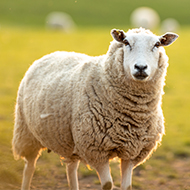
Image © Dew_gdragon/Shutterstock.com

 Livestock keepers are being urged to stay vigilant for Bluetongue (BTV-3) following confirmation of the disease in a ewe. The case, confirmed in Staffordshire on 23 June 2026, represents the first confirmed case of infection this summer.



