


Dogs Trust warns post-Brexit controls are not working.
The UK’s largest dog welfare charity, Dogs Trust, has issued a stark warning over the UK’s post-Brexit animal importation system.
The Government’s new Border Target Operating Model (BTOM) was launched in August 2023 in a bid to enhance safety and security controls at the UK border for the commercial import of live animals and other goods.
Dogs Trust initially welcomed some of the details of the model, including the physical and welfare checks of all dogs entering the UK via commercial travel. It also welcomed the proposed steps to reduce the risk of disease being brought into the UK.
However, a year after its introduction, Dogs Trust fears the promised protections are not being delivered, with serious gaps in enforcement leaving the system open to abuse.
Its most critical concern is the location of the designated Sevington Border Control Post (BCP), responsible for inspecting animals arriving via commercial travel through the Port of Dover, situated 22 miles inland from the Port.
It fears the distance not only raises serious animal welfare issues, with dogs already having travelled a significant distance to reach the UK, but also presents a major security risk, allowing fraudulent importers to potentially unload dogs ahead of any security checks.
Dogs Trust is also concerned about the rabies vaccination of imported dogs. A previous investigation by the charity found examples of imported dogs being advertised for sale online before they were old enough to have their rabies vaccinations.
Claire Calder, head of public affairs at Dogs Trust, says: "We initially welcomed the details set out in the BTOM, which would have gone a long way in reducing the number of dogs arriving in the UK in poor health and welfare conditions for sale.
“However, like others, we are now deeply concerned that the reality falls far short of the promise. With inspection posts miles away from ports, and inconsistent application of checks, the system is wide open to exploitation, putting dogs and the public at risk."
Last week, a report published by the Environment, Food and Rural Affairs (EFRA) Committee echoed these concerns, stating: “Failing to provide a robust, risk-based regime of inspections is imposing excessive burdens both on responsible, law-abiding businesses and on local authorities, and may be creating incentives and opportunities for criminals.”
It also noted that varying inspection rates at different ports have enabled importers to "game the system", undermining trust and biosecurity.
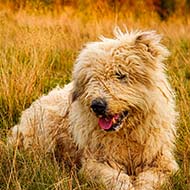
© Roberto Sorin/Shutterstock


 Eligible members of BEVA will be able to vote for their Council team until Monday, 17 August 2026. Members will have received an election email on 17 July.



