


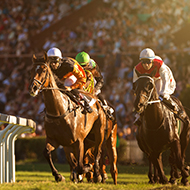
Leading horse sector organisations welcome the findings.
The results of a major study into public attitudes towards horse sport and equine welfare have been released.
It follows the first major collaboration of leading equestrian bodies and organisations to understand not only why the public think about horse sports but also why they think as they do. The results confirm the sector is ‘on the right track’ in prioritising improvements but ‘there is much more to do’.
The independent study, funded by the Racing Foundation, was initiated by World Horse Welfare in collaboration with British Equestrian, The British Horseracing Authority and The British Horse Society, among other organisations. It’s also the largest survey of its kind, conducted by Australian engagement science specialists, Voconiq, based on more than 5,000 responses.
The results show that the UK public recognise the social importance of horses to life in the UK, and that this is a key driver of trust.
Procedural fairness, regulation and transparency on welfare were also highlighted - with many of these underpinned by equine welfare standards, which play a significant role in shaping confidence in horse sport.
Roly Owers, chief executive of World Horse Welfare, commented: “With society changing around us it is so important that we in the horse world listen to how others see our relationship with horses, so we are delighted that our sector has been so proactive in seeking to understand public views.
"What is especially encouraging is how the sector has come together to learn from these results and is committed to work together to act on them, recognising that building public trust on welfare is about concrete actions and not just about words.”
The survey also found that the UK public have concerns about the welfare of horses in sports, but appreciate that welfare is a complex issue involving more than simply preventing harm to horses.
Many respondents felt that horses should have the opportunity to enjoy positive experiences, and that horse sports should prioritise making competitions safer for horses – even if it means sacrificing some of the traditional elements of the sport.
Jim Eyre, chief executive of British Equestrian welcomed the findings of this research, adding: "The confirmation that we still have public acceptance, despite the difficulties that equestrianism has faced in recent years, is very positive.
“As an industry, we are united by our passion for the horse and everything we do must have the wellbeing of our equine partners at its heart – something encapsulated in our Charter of the Horse. However, we know there is still more we can do.
“Equestrian sport is an ever-changing landscape and, in proactively commissioning a study that encompasses so many of our equestrian activities, we can use these results to guide future work by us and our member bodies. We look forward to safeguarding the place of the horse in society as we demonstrate to the public that they’re right to put their trust in us.”
To read the full results of the survey, visit worldhorsewelfare.org


 Eligible members of BEVA will be able to vote for their Council team until Monday, 17 August 2026. Members will have received an election email on 17 July.



