


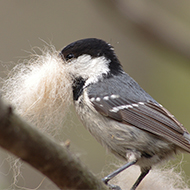
Study find high levels of veterinary insecticide in bird’s nests.
Scientists are urging the government to review the environmental risk of pesticides used in flea and tick treatments after research found high levels of veterinary drugs in birds’ nests lined with animal fur.
The call from the University of Sussex comes in response to a study that found that nesting birds are commonly exposed to insecticides, including high levels of fipronil, imidacloprid and permethrin – all of which were linked to a higher number of dead offspring or unhatched eggs.
Fipronil and imidacloprid, applied topically in the form of shampoos, spot-on treatments or sprays, are widely applied to cats and dogs as a preventative measure against fleas and ticks. However, scientists now propose that the drugs should only be used if a cat or dog actually has them.
Speaking to The Guardian, study lead Cannelle Tassin de Montaigu said the significant presence of harmful chemical could be highly destructive for UK bird populations.
“Our research shows that based on the chemicals detected, veterinary flea and tick drugs are the most likely source of contamination. We undertook our research when it was safe to do so at the end of the breeding season, so the problem could in fact be much worse.
“This raises questions about the environmental impact of veterinary drugs and calls for a comprehensive environmental risk assessment of veterinary treatments.”
In the study, published in Science of the Total Environment, researchers collected 103 nests from blue and great tits, which were lined with animal fur.
They found that 100 per cent of the nests contained fipronil, banned for agricultural use in the UK, and 89 per cent contained imidacloprid, banned as a plant protection product in the EU. A further 89 per cent contained permethrin.
The findings build on previous research that parasiticide products used on small animals are causing harmful pollution in UK rivers and ponds.
A total ban on the use of imidacloprid in agriculture is being considered by the UK government owing to its harmful effects on pollinators. However, this ban does not extend to veterinary treatments.
Scientists found a higher number of unhatched eggs and/or dead offspring in nests with high prevalence of insecticide.
Imae (C) Shutterstock.


 BSAVA is to partner with BVA Live (11-12 June 2026) to champion clinical research.



