


Act now on new BVD measures, farmers urged
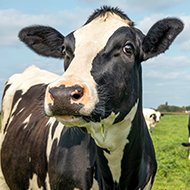
"I think it is vitally important that these measures should be introduced now" - Andrew Muir.
Farmers are being urged to act now to avoid being impacted by new measures to eradicate Bovine Viral Diarrhoea (BVD) in cattle.
The new measures, which include the introduction of herd level movement restrictions, were announced by Andrew Muir, minister for agriculture, environment and rural affairs, on Friday (20 December).
Minister Muir said: “BVD is a serious and highly contagious disease of cattle which affects their productivity and compromises their welfare. Since the introduction of the compulsory eradication scheme in 2016, significant progress has been made in driving down the incidence of the disease.
"However, I am aware that more needs to be done to eradicate this disease and I have listened to industry, who have been engaging extensively with my Department, on what our next steps should be.
"I am therefore pleased to announce new measures which will assist us to further address BVD in Northern Ireland. These measures will involve the introduction of herd level movement restrictions, taking into consideration their success within BVD Programmes in other jurisdictions.”
The measures, developed through engagement with Animal Health & Welfare, NI (AHWNI), include:
- From 1 February 2025, herd level movement restrictions will be applied to herds containing animals that have a positive or inconclusive BVD test result on a phased approach with ‘grace periods’ being available for the first 12 months. Herd keepers can avoid restrictions if they take prompt action to remove or retest the positive or inconclusive animals within these ‘grace periods’.
- From 1 June 2025, movement restrictions will also be applied to herds with animals of unknown BVD status. This will be introduced in 3 stages, with the threshold number of unknown status animals reducing over a 16-month period. Keepers who are compliant with the testing requirements of existing legislation will not be impacted.
- Cattle born before 1 March 2016, will also now need to be tested for BVD if they do not have a negative or indirect negative BVD status.
- From 1 February 2026, additional movement restrictions will be placed on all breeding age females within herds containing animals that test positive for BVD.
Minister Muir added: “It is expected that only a small number of herd keepers will be impacted by these measures. Restrictions can be avoided if herd keepers act now and comply with existing legal requirements to ensure all their animals are promptly tested for BVD.
“Also, if a positive case is detected, the impact of herd restrictions can be minimised if herd keepers act quickly to isolate and either remove the animal from their herd or arrange for a re-test. This will not only reduce the risk of spread of BVD to the rest of their herd, but it will shorten the length of time they will be restricted.”
He concluded: “Given the substantial financial burden this disease places on industry and the benefits that eradication will achieve, through increased farm profitability, reduced antimicrobial usage and reduced greenhouse gas emissions, I think it is vitally important that these measures should be introduced now.
“I am very keen to support the ongoing efforts of industry to protect herds that are free from BVD and believe that if we all work together, we will take great strides towards eradicating this disease in Northern Ireland.”


 Veterinary practices are being urged to help owners safely dispose of any unused and expired pet medicines - not just antibiotics - during November's Animal Medicines Amnesty.



