


Most new vet nurses positive about their training
Sixty per cent of respondents went on to work at their training practice.
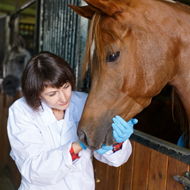
The latest results from the Survey of the Veterinary Nursing Profession have found that most nurses which joined the register in 2021 were positive about their training.
Responses revealed that 63 per cent felt satisfied or very satisfied with their university or college experience, and 68 per cent felt the same about the support they received during clinical placements.
Seventy-seven per cent were also positive about their training practice experience. This had prompted 60 per cent of respondents to go on to work at their training practice.
The survey, conducted on behalf of the Royal College of Veterinary Surgeons (RCVS), will inform RCVS’ Strategic Plan, as well as providing context to policy discussions and decisions.
When asked what motivated them to work in veterinary nursing, 94 per cent said it was working with animals. Sixty-four per cent said they liked making a difference and 49 per cent said they felt job satisfaction.
However, the survey also highlighted some of the challenges faced by the veterinary nursing sector. The top three challenges raised in the survey were poor financial reward, staff shortages and high stress levels.
Concerns about staff shortages was a new category this year, replacing client expectations as one of the top three identified issues.
Responses suggest that veterinary nurses are more likely than veterinary surgeons to have a mental or physical health condition/disability affecting their everyday activities. These conditions affected 29 per cent of veterinary nurse respondents compared to 17 per cent of veterinary surgeons.
There was also a slightly higher proportion of veterinary nurses who reported harassment or bullying in the workplace, either from clients or colleagues.
Asked how RCVS could improve, common themes included improved status and recognition for the profession, protection of the VN title in law, and more professional responsibilities. Veterinary nurses also wanted better public awareness of their roles.
Lizzie Lockett, chief executive at RCVS, said: “A big thank you to all those veterinary surgeons and veterinary nurses who took the time to complete their respective surveys, and also to those who joined our session at London Vet Show the other day to hear the headline results and ask questions.
“The responses we get from these surveys really do go into the foundations on which we will build our next Strategic Plan, providing the all-important statistical snapshot of the professions, as well as a temperature check of how the professions are feeling generally, and on specific issues.”
The full report can be read here.
Image © Shutterstock

 The latest



