


Brooke meets UN for antimicrobial resistance mission
"Commercial interest must not stand in the way of action to protect animal, human and environmental health." – Esme Wheeler
Brooke, an equine charity and non-governmental organisation (NGO), has met with members of the United Nations (UN) to discuss antimicrobial resistance.
The charity’s representatives used the event to seek global political action against antimicrobial resistance, promoting the One Health approach.
The UN’s High Level Meeting took place in New York on 26 September. It was attended by the government leaders of the UN’s member states, as well as Brooke’s partner organisations, including the World Organisation for Animal Health.
Brooke’s work at the UN meeting forms part of its ongoing initiative to tackle antimicrobial resistance, particularly in the equine and livestock sector.
Antimicrobial resistance occurs when pathogens become drug resistant and spread among both animals and humans. Pathogens tend to develop a resistance when antimicrobials are used either too much or irresponsibly.
As well as making it more difficult to treat infections, this can limit access to quality medicines and disrupt soil and plant health. This leaves people in low-resource environments vulnerable.
However, where working equids are a vital resource for communities, veterinary surgeons are often given no choice but to use antimicrobials to provide these animals with pain relief.
Earlier this year, the charity worked with the World Veterinary Organisation to launch the world’s first list of essential veterinary medicines for livestock and equids. It has been training vets to use antimicrobials responsibly and ensuring that developing countries have access to vital medicines and vaccinations.
Brooke also heads Action for Animal Health, a coalition of multilateral organisations, NGOs and research institutes seeking to protect people, animals and the environment.
Esme Wheeler, external affairs advisor at Brooke, said: “Brooke has long advocated for strong action to tackle the use and misuse of these valuable medicines in animals.
“We commend the commitments to improve global access to veterinary care and essential veterinary medicines and invest in animal health systems.
“A crucial next step is now to move forward with swift and decisive action to set targets to reduce the use and misuse of antibiotics in the livestock sector.
“Commercial interests must not stand in the way of action to protect animal, human and environmental health.”
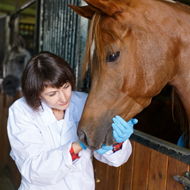
Image © Brooke

 The latest



