


APHA lifts bluetongue Temporary Control Zones
There have been more than 100 confirmed cases of bluetongue since November.
From today (19 February), the Animal Plant and Health Agency (APHA) has lifted the Temporary Control Zones (TCZs) brought in to tackle the spread of bluetongue.
However, APHA says that officials will stay in close contact with livestock keepers within the affected areas in Norfolk, Suffolk and Kent.
Restrictions will remain in place for positive high-risk animals and for premises that were in the TCZs which are yet to be sampled. Surveillance efforts and epidemiological assessments will also continue.
The easing of restrictions comes at a time when the risk of the disease spreading is considered to be low due to a seasonal drop in midge activity.
The Kent TCZ had been in place since November 2023, when a case of bluetongue virus serotype 3 was confirmed in a cow near Canterbury. The Norfolk TCZ was introduced in December and was later expanded to include part of Suffolk. As of today, there have been 112 cases.
Christine Middlemiss, the UK’s chief veterinary officer, said: “We are now in a seasonally low vector period, when midge activity is much lower and there is reduced risk of disease, meaning we can lift the temporary control zones.
“However, our robust disease surveillance procedures continue, and I urge farmers to remain vigilant and report any suspicions to APHA.”
Aled Edwards, APHA’s head of field delivery England, added: “APHA teams will continue to work closely with farmers to ensure that keepers and businesses are kept up to date, and that questions and concerns are addressed promptly.”
Image © Shutterstock

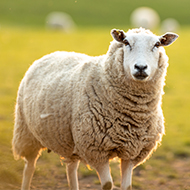
 Livestock keepers are being urged to stay vigilant for Bluetongue (BTV-3) following confirmation of the disease in a ewe. The case, confirmed in Staffordshire on 23 June 2026, represents the first confirmed case of infection this summer.



