


Avian flu confirmed in seals in Scotland
"We're hoping to send more cases for screening to better understand what this means in terms of disease ecology and epidemiology" - SMASS.
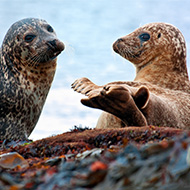
The presence of avian influenza has been confirmed in four dead seals in Scotland, bringing the total number of non-avian wildlife cases of the disease in the UK to 13.
According to the Scottish Marine Animal Strandings Scheme (SMASS), samples sent for influenza virus screening last year returned positive for the H5N1 strain of the disease.
SMASS said in a statement: “Three out of the four harbour seals and one of the two grey seals from 2021 and early 2022 tested positive for HPAIV H5N1.” The seals were discovered in Aberdeenshire, Fife and the Orkney Islands.
The statement continued: “In one case, an adult harbour seal, gross and histopathology revealed a viral meningoencephalitis, meaning influenza was the likely cause of death.
“We're hoping to send more cases for screening to better understand what this means in terms of disease ecology and epidemiology. We also want to check our more recent cetacean cases for evidence of spillover.”
The UK is experiencing its largest-ever outbreak of avian flu, with cases in captive birds, poultry and wild birds reported across the country. In recent weeks, however, the virus has also been identified in otters and red foxes.
Prof Ian Brown, director of scientific services at the Animal and Plant Health Agency (APHA), told BBC News that the mammals most likely contracted the disease by scavenging on infected bird carcasses.
He added that surveillance of such cases would be ramped up “while keeping a close eye on its spread in global populations of wild birds.”
Outside of the UK, the H5N1 strain of the disease was found at a mink farm in Spain. It is thought that the mink became infected with the virus after coming into contact with wild gulls. The disease has also been identified in grizzly bears in America.
The APHA said there was "a very low likelihood of any widespread infection in GB mammals". However, the discoveries have raised concerns that the disease could spread to humans.


 Eligible members of BEVA will be able to vote for their Council team until Monday, 17 August 2026. Members will have received an election email on 17 July.



