


AIPZ declared in Norfolk, Suffolk and parts of Essex
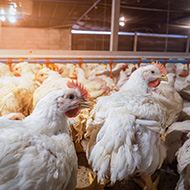
Keepers with more than 500 birds must restrict access for non-essential people on their sites.
The UK's deputy chief veterinary Officer has declared an Avian Influenza Prevention Zone (AIPZ) across Norfolk, Suffolk and parts of Essex following an increased number of detections in the region.
Under the measures, which come into force from midday on Tuesday (27 September), all bird keepers within the AIPZ – including hobbyists and backyard poultry keepers - must follow strict biosecurity measures to protect their flocks.
Keepers with more than 500 birds must also restrict access for non-essential people on their sites. Workers will be required to change their clothing and footwear before entering bird enclosures, and site vehicles will need to be cleaned and disinfected regularly to reduce the risk of disease spread.
The move comes amid the detection of avian influenza in poultry and wild birds across Norfolk, Suffolk and Essex in recent weeks and aims to reduce the risk of further disease outbreaks from occurring.
Since late October 2021, the UK has faced its largest outbreak of avian influenza, with more than 150 cases confirmed across the country. The disease was detected in kept birds at 10 premises in the affected regions since the beginning of September, as well as several reports in wild birds.
Deputy chief veterinary officer Richard Irvine said: “Following an increased number of detections of avian influenza we have declared an Avian Influenza Prevention Zone across Suffolk, Norfolk and parts of Essex. This means that all bird keepers in the region must urgently take action now to both prevent disease getting in to flocks and it spreading any further.
“Whether you keep just a few birds or thousands, you are now legally required to introduce stricter biosecurity standards on your farm or small holding. It is in your interests to do so in order to protect your birds from this highly infectious and devastating disease.”
Bird keepers are advised to check the interactive map to see if they are affected before reading the AIPZ declaration, which outlines the conditions for a regional AIPZ.


 A nationwide roadshow offering free, personalised parasite risk assessments and flea and tick checks will be visiting popular dog events across the UK.



