


Avian flu confirmed in Nottinghamshire
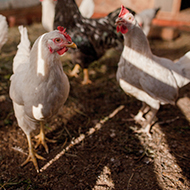
Avian influenza H5N1 has been identified at a premises near Lowdham, Newark and Sherwood.
A case of highly pathogenic avian influenza was confirmed over the weekend in Nottinghamshire, just days after the government relaxed the rules on keeping poultry indoors.
Avian influenza H5N1 was identified at a premises near Lowdham, Newark and Sherwood on Saturday (7 May). The APHA said that a 3km protection zone and 10km surveillance zone have been placed around the premises.
The housing rule was implemented in November 2021 under the Avian Influenza Protection Zone (AIPZ) to help stop the spread of the disease. Under the order, bird keepers were required to keep their flocks indoors and follow strict biosecurity measures.
Recently, however, Defra reduced the risk of poultry exposure to HPAI H5 in Great Britain from medium to low, 'where good biosecurity is applied'. The latest assessment suggests that the departure of migratory birds and the higher summer temperatures will reduce the level of the disease in the environment.
The UK's chief veterianry officers (CVO) lifted the housing order on 2 May. However, biosecurity requirements introduced as part of the AIPZ remain in force and poultry gatherings are still banned.
A joint statement from the CVOs reads: “Whilst the lifting of the mandatory housing measures will be welcome news to bird keepers, scrupulous biosecurity remains the most critical form of defence to help keep your birds safe.
“It is thanks to the hard work of all bird keepers and vets, who have played their part in keeping flocks safe this winter, that we are in a position to take this action. However, the recent cases of avian influenza show that it’s vital that bird keepers remain vigilant for signs of disease and maintain stringent standards of biosecurity."


 Defra has published guidance for the vet sector ahead of a proposed UK-EU Sanitary and Phytosanitary agreement.



