


Vets criticise 'deeply misguided' delay to post-Brexit import checks
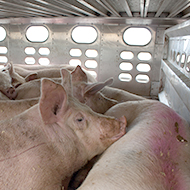
"We urge the Government to abandon these plans and close off the threat of causing significant damage to our food and farming industries" - James Russell, BVA.
The British Veterinary Association (BVA) has issued a statement strongly criticising the Government’s decision to scrap the planned introduction of import checks on animals and animal products coming into the UK from 1 July 2022.
The statement comes after Jacob Rees-Mogg, the Brexit opportunities minister, said that no further import controls on EU goods will be introduced this year. Instead, the Government will develop a “new approach to import controls” that are expected to come into force at the end of 2023.
BVA has repeatedly warned that postponing the inspections, which have already been delayed three times, may have major consequences for animal health and British agriculture, as well as open the door to the spread of illnesses such as African Swine Fever.
James Russell, senior vice president of the BVA, commented: “This move flies in the face not only of common sense, but also of the Government’s commitment to preserving high levels of animal and human health in the UK.
“Diseases such as African Swine Fever have already had a catastrophic impact on agriculture and animal health in parts of Europe and elsewhere globally. With the UK now being outside the EU’s integrated and highly responsive surveillance systems, we have repeatedly warned that delaying veterinary checks further could weaken vital lines of defence against future incursions."
He continued: “To remove the requirement for checks entirely appears deeply misguided; we urge the Government to abandon these plans and close off the threat of causing significant damage to our food and farming industries. If not, the Government must urgently set out how it will safeguard animal health and welfare in the UK in the coming months.”


 Veterinary practices are being urged to help owners safely dispose of any unused and expired pet medicines - not just antibiotics - during November's Animal Medicines Amnesty.



