


Scottish beavers to be ‘translocated’ to boost population
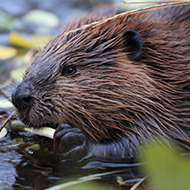
There are currently an estimated 602 to 1,381 beavers in Scotland.
New measures to boost biodiversity and expand the beaver population have been announced by the Scottish Government.
Under the measures revealed on Wednesday (24 November), ministers will be actively promoting 'translocation', which involves safely trapping and moving beavers to a more suitable area.
It is hoped the move will reduce or avoid the negative impacts associated with beavers and help establish the species in parts of Scotland outside its current range.
Commenting on the announcement, biodiversity minister Lorna Slater said: “Beavers were driven to extinction in Scotland but have now become an established part of our environment in some areas following their reintroduction, and today’s announcement will help them to continue to expand across the country.
“Restoring this lost species is important in its own right, but beavers will also contribute to restoring Scotland’s natural environment as they create wetland habitats that support a range of species, and their dams can also help filter sediment from watercourses and mitigate flooding.”
Eurasian beavers are native to the UK, but they were driven to extinction in the 16th century over demand for their fur and meat. In recent years, however, conservationists have been working hard to restore the species to Britain – figures published by NatureScot figures show there are an estimated 602 to 1381 beavers in Scotland alone.
In some areas, beavers can impact negatively on agricultural land, forestry and infrastructure, but thgough their work conservationists have gained a deeper understanding of how they can manage this now-protected species. They and the Scottish Government will continue to work with landowners to reduce any negative impacts, and the option of translocation will further support this.
Welcoming the announcement, Sarah Robinson, Director of Conservation at Scottish Wildlife Trust, said: “Moving beavers requires specialist skills and resources so providing funding and increasing the number of people who are trained to carry out translocations effectively is an important step forward.
“To fully benefit from the return of beavers to Scotland we need to see joined-up thinking. We look forward to working with groups from a range of backgrounds to help shape a robust and forward-looking national strategy for the species.”


 Defra has published guidance for the vet sector ahead of a proposed UK-EU Sanitary and Phytosanitary agreement.



