


Dogs Trust issues fireworks advice
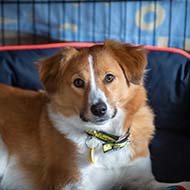
"There are lots of things dog owners can do to make fireworks less stressful for thier dogs" - Jenna Kiddie, Dogs Trust.
With the seasonal celebrations of Halloween and Bonfire Night just around the corner, national charity Dogs Trust has issued a timely reminder to pet owners to help make fireworks less stressful for their animals.
From walking dogs before dark to providing safe places for animals to hide, the charity has set out eight simple tips pet owners can take to ensure their pet's stay happy and healthy this autumn.
Jenna Kiddie, head of canine behaviour at Dogs Trust, explained: “Dogs have approximately four times more sensitive hearing than humans, so the loud cracks and bangs of fireworks can often be a terrifying and confusing experience for them. Fireworks tend to be sudden, unpredictable and bright. This combination can be distressing and have a lasting impact on dogs.
“There are lots of things dog owners can do to help make fireworks less stressful for their dogs. Simple steps such as providing safe spaces for them to hide or settling them before the fireworks start can make a big difference.”
Dogs Trust is urging anyone considering their own fireworks display to think about the welfare of their four-legged friends and others in the neighbourhood by following its Firework Dog Code. The charity also provides free sound therapy to help gradually expose puppies to various noises in a positive way.
Jenna continued: “If your dog is very worried by fireworks or other loud noises, they might need longer-term treatment. If that is the case, it would be a good idea for owners to have a chat with their vet. They can check there are no underlying health conditions that might be affecting behaviour, and then owners can discuss referral to an accredited behaviourist for support and tailored advice.”


 Veterinary practices are being urged to help owners safely dispose of any unused and expired pet medicines - not just antibiotics - during November's Animal Medicines Amnesty.



