


BVA highlights welfare needs of reptiles
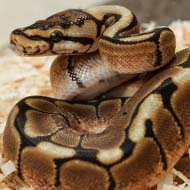
"If you are uncertain or have any questions about how to care for your reptile, do speak to an exotics vet" - Justine Shotton, BVA president.
The BVA is urging pet owners '#ThinkTwice' before buying a reptile, and ensure that they are meeting the welfare needs of any current reptiles on National Reptile Awareness Day (21 October).
Infographics with facts on common exotic pets are being used by the BVA to encourage pet owners to ensure that they are fully capable of caring for an exotic pet and aware of their needs.
On its webpage on exotic pets, the BVA outlines its stance on reptiles as pets: “Non-traditional companion animals (NTCAs), or exotics, are those not traditionally kept as pets in the UK and whose welfare needs are so specialised they can rarely be met in a domestic environment.
“Reptiles, for example, have very specific requirements for humidity, lighting, nutrition, and temperature, and birds have complex social, cognitive, and nutritional needs.
“Many owners take on NTCAs without first discussing their plans with a vet, seeking out well-informed species-specific pre-purchase information, or giving enough thought to how they can provide for the animal's welfare needs.
“By law, all pet owners must make sure they meet their animals' 5 welfare needs.
“The welfare of NTCAs can be improved through education and knowledge sharing. Stakeholders should work in partnership to develop an evidence base to endorse and promote agreed husbandry practices.”
Justine Shotton, BVA president and top zoo veterinary surgeon, said: “When considering buying a reptile as a pet, it is so important to #ThinkTwice, to do your research and to make sure you can meet all of their welfare needs before making a decision.
“Proper environments for reptiles can be expensive, and will need regular maintenance, such as monitoring temperatures and regularly replacing UV bulbs.
“Without the proper care in captive environments reptiles may suffer serious health issues – which can be fatal.
“It’s also important to remember that while reptiles can start off life very small, they can often grow significantly, so you need to ensure you will be able to look after your pet throughout its entire life, which for some reptiles can be many years.
“If you are uncertain or have any questions about how to care for your reptile, do speak to an exotics vet.”


 Companies marketing medicines for small pets exempt from authorisation must submit their annual return to the Veterinary Medicines Directorate (VMD) by 30 November 2026.



