


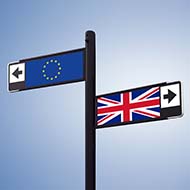
The survey will gauge the impact of the EU Exit on EU vets and vet nurses.
The RCVS has announced a new survey for veterinary surgeons and veterinary nurses who are EU nationals to gauge the personal and professional impact of the EU Exit on these individuals.
This survey is the third in a series of RCVS surveys on the impact of the EU Exit on the profession, but is the first one held since the UK left the EU on 31 January 2020.
Launched today (19 October 2021), the survey asks EU nationals in the professions about their experiences and views of practising in the UK since the referendum, and aims to discover what their career expectations and aspirations are now.
Also asked in the survey is how EU national veterinary professionals feel that the RCVS has supported EU veterinary surgeons and veterinary nurses to practise in the UK since 31 December 2020.
Respondents are asked and encouraged to be as open as possible, as individual responses will not be seen by the RCVS, and all the survey data will be analysed independently by the Institute for Employment Studies (IES), who is conducting the survey.
Lizzie Lockett, RCVS CEO, commented: “We really value the contribution from so many EU vets and veterinary nurses to the UK veterinary team, and I want to thank everyone who has responded to our previous EU Exit surveys and shared their views on how leaving the EU has affected them and their colleagues.
“It is important that we continue to listen to the experiences of EU vets and vet nurses, especially now that the transition period has come to an end.
“We are hearing anecdotal feedback from EU veterinary professionals about the impact of the EU Exit on their working lives, but it is important for us to have direct feedback as evidence for our recommendations.
“I would encourage everyone who receives the survey to share their thoughts with us, as the feedback we receive from this and the previous surveys, will help us to plan what training, resources and support the professions need from us post-EU Exit.”
Everyone eligible to take part in the survey will receive an email from the IES with a link to the survey, and will have until Tuesday 16 November 2021 to complete it.
Any questions about the survey or the IES can be directed to Sara.Butcher@employment-studies.co.uk


 A nationwide roadshow offering free, personalised parasite risk assessments and flea and tick checks will be visiting popular dog events across the UK.



