


WHO approves world's first malaria vaccine
Malaria is a leading cause of childhood illness and death in sub-Saharan Africa.
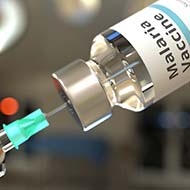
The World Health Organization (WHO) has recommended the use of a malaria vaccine among children in countries with moderate to high transmission of the disease.
The recommendation of the RTS, S malaria vaccine is the result of an ongoing pilot study taking place in Ghana, Kenya and Malawi, which has reached more than 800,000 children since 2019.
WHO director-general Dr Tedros Adhanom Ghebreyesus dubbed the long-awaited vaccine as a “historic moment” and that it “could save thousands of young lives each year”.
Spread by the P.falciparum parasite, malaria is a leading cause of childhood illness and death in sub-Saharan Africa; every year the disease kills more than 260,000 children in the region aged under five.
In recent years, however, the WHO and partners have been reporting a stagnation in progress against the disease.
Dr Matshidiso Moeti, WHO regional director for Africa, commented: "For centuries, malaria has stalked sub-Saharan Africa, causing immense personal suffering. We have long hoped for an effective malaria vaccine, and now for the first time ever, we have such a vaccine recommended for widespread use.”
To date, more than 2.3 million doses of the RTS, S vaccine, developed by GSK, have already been administered as part of the pilot study. Key findings show that the vaccine is feasible to deliver, safe and cost-effective, even in areas with high malaria transmission.
In the countries where the vaccine was administered, there was a 30 per cent fall in deadly severe malaria, even where malaria nets are used and there is good access to diagnosis and treatment.
Dr Tedros said: “This is a historic moment. The long-awaited malaria vaccine for children is a breakthrough for science, child health and malaria control. Using this vaccine on top of existing tools to prevent malaria could save tens of thousands of young lives each year.”
Later this year, Gavi, the Vaccine Alliance is expected to consider financing a broader vaccine rollout across Africa. The WHO will also work with regional health organisations about whether to adopt the vaccine as part of national malaria control strategies.


 Eligible members of BEVA will be able to vote for their Council team until Monday, 17 August 2026. Members will have received an election email on 17 July.



