


Vet responds to Prime Minister's pig cull comments
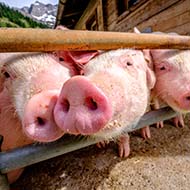
The NPA is calling on the government to introduce temporary visas for butchers.
A Yorkshire pig vet has responded to comments made by Prime Minister Boris Johnson on the national pig cull.
It comes as the National Pig Association (NPA) confirms that culling has started at a ‘handful of farms’ and warns that the situation could become more widespread.
A combination of Brexit, COVID-19 and abattoir staffing shortages are being cited as the main reasons why adult pigs are not being slaughtered quickly enough.
When pressed on the issue by Tom Newton Dunn from Times Radio, Mr Johnson asked the reporter whether he had ever eaten a bacon sandwich, adding: “Those pigs, when you ate them, were not alive. I’ve got to break it to you.”
Vet Duncan Berkshire, who is reported by BBC News to be liaising with Defra over the overcrowding issue, told BBC Radio 4's Today Programme that he found the comments "enormously disappointing".
"He is unable to see the difference between what we have as a UK supply chain...[and] the absolute abhorrent food wastage that will be the case if we end up having to shoot healthy pigs,” he said.
“In every other way [the pigs] would be fit for everyone to eat, but we are just going to end up having to put them in a skip and send them for incineration.”
"It's distressing enough just having to start planning for that absolute wastage.”
NPA chief executive Zoe Davies said she is aware of around 600 farmers who have already had to cull some pigs.
"There has been no mass culling yet – although I do believe this is the next stage in the process. As you can imagine this is hugely difficult for the farmers involved and to date, none are willing to speak to the press about it," she said.
NPA chairman Rob Mutimer added: “There are now producers actively euthanising piglets - they have run out of room. They are tending to euthanise the younger ones and get the older ones away as they can.”
To help ease the backlog, the NPA is calling on the government to introduce temporary visas for butchers to increase capacity in pork plants and for retailers to prioritise British pork over pork imported from the EU.


 A nationwide roadshow offering free, personalised parasite risk assessments and flea and tick checks will be visiting popular dog events across the UK.



