


Exotic pets go under the spotlight at BVNA Congress
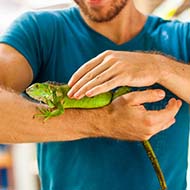
A staggering 75 per cent of reptiles die within their first year.
The long-term sustainability of exotic animals as pets went under the spotlight on Saturday (2 October) at the BVNA Congress in Telford.
In keeping with this year’s theme of sustainability, clinical animal behaviourist Danielle Beck delivered a thought-provoking presentation on reptile welfare and husbandry in the context of their long-term sustainability as companion animals.
Danielle began by explaining that what makes reptiles different to domestic animals is that they're entirety controlled by their environment. "If we don't set them up in the most basic way, ensuring they have the right temperature, the right kind of lighting, the right kind of diet then we can greatly harm them,” she said.
But while an exotic animal's needs may be different to that of cats or dogs, it does not mean they are impossible to look after. Danielle explained that in the right hands, many reptile species live long and fulfilling lives. A staggering 75 per cent of reptiles, however, die within their first year.
According to Danielle, the biggest issue for the sustainability and welfare of reptiless lie in their breeding, capture and transportation for the pet market. She stressed that education is key to increasing welfare and sustainability, but that the trade is still in question.
“When it comes to sustainably, we need to be looking further up the chain than just somebody's pet at home," she said. "It's not sustainable to just have the animal alive and breeding from it. We need to allow these animals to live and have the freedom to express normal behaviour.”
Danielle shared some simple enrichment ideas that reptiles keepers can introduce to improve the welfare of their animals, including:
- building levels in the environment to create microclimates
- creating digging pits with natural substrate – around two feet of digging space is ideal
- providing sensory enrichment – foraging for food is a natural behaviour for reptiles
- enabling gradual exposure to novelty – rotate activities for them to do in their enclosure and give them toys to play with – consider cat or dog toys!
- providing puzzle feeders – monitor lizards, in particular, can benefit from these.


 The RCVS has announced a new version of its 1CPD mobile app, with enhanced features for veterinary surgeons and veterinary nurses to record their continuing professional development.



