


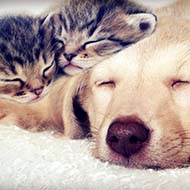
New regulations have been introduced to reduce the risk of disease and trauma.
The Welsh government has introduced new legislation, making it illegal for a commercial seller to sell a puppy or kitten that they have not bred themselves at their own premises.
Having come into effect on Friday 10 September 2021, the new rules also state that the seller must ensure that the animals mother is present.
The new regulations close loopholes for unregulated third party selling, and provide local authorities with a way to assess whether animals are being kept for financial gain alone.
Lesley Griffiths, Minister for Rural Affairs, North Wales, and Trefnydd, commented on the bringing in the new regulations: “It is our duty to do what we can to ensure as many of our pets as possible have the best start in life, and are not subjected to unacceptable conditions which can cause disease and trauma.
“The new regulations coming in to force will help to encourage respectful and responsible attitudes, particularly the developing attitudes of children and young people who are the future pet owners in Wales.
“They will also raise awareness of licensed premises and their eligibility to sell pets, and will empower Local Authorities to take action if they have concerns about how puppies and kittens are being bred and sold.
“I’d like to thank everyone who took part in preparing this piece of work, including vets, Local Authorities, animal welfare charities and members of the public, whose support on this important piece of legislation has been invaluable.”
Dogs Trust veterinary director Paula Boyden commented on the ban: “We’re pleased that a ban on the Third Party Sale of puppies and kittens in Wales comes into force today.
“The welfare of our nation’s dogs is our highest priority, and this is a really important step in helping to eradicate the sale of puppies bred in poor conditions.
“However, this is just one piece of the puzzle to putting a stop to this awful trade. Dogs Trust welcomes working with the Welsh Government, and our colleagues in the animal welfare sector, to look at the necessary additional measures needed to ensure the ban is robust and enforceable.
“We look forward to working with the Minister to better safeguard the welfare of breeding dogs and puppies sold in Wales.”


 Veterinary practices are being urged to help owners safely dispose of any unused and expired pet medicines - not just antibiotics - during November's Animal Medicines Amnesty.



