


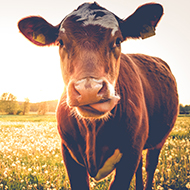
Report recommends 30 per cent reduction in meat consumption in next 10 years.
The National Office for Animal Health (NOAH) has welcomed the government's new National Food Strategy Plan, adding that it is ‘ready to support efforts to produce food from livestock more sustainably’.
The National Food Strategy, commissioned by the government in 2019, sets out a goal of 30 per cent reduction in meat consumption over 10 years to meet targets related to climate change.
Responding to the report, NOAH chief executive Dawn Howard said: “Healthy livestock need less resource inputs to produce meat and milk, they generate less waste and have a lower carbon footprint with less methane emissions. This means the same number of animals can produce more food – or the same amount of food can be produced from fewer animals.
“Our sector is consistently at the cutting-edge of new developments, technologies, and innovation to support improvements to animal health. Innovations include new vaccines to prevent disease, digital technologies such as sensors and tags in livestock, real-time monitoring and surveillance of livestock to catch the first signs of any ill health, as well as diagnostics to improve treatment success and the responsible use of antibiotics.
“This cutting-edge work has the potential to prevent animal diseases or ensure that they can be diagnosed and treated with greater accuracy, contributing to more sustainable food production,” she said.
The plan also recommends that farmers should continue to receive government support until at least 2029. NOAH says that it also welcomes this plan, and sees DEFRA’s recent pledge to fund a yearly vet visit to eligible farms through the Annual Health and Welfare review, as important.
“We welcome this as a statement that good animal health is integral to good welfare and sustainable farming and a better understanding of the health of our national herd will help identify areas where future support can be directed,” said Dawn.
“As well as the importance of the development of new vaccines, better use of existing vaccines against endemic disease is a big area where improvements can be made through farmers’ partnership with a vet-led team: they offer a high quality, safe and effective solution to today’s animal health challenges and form a cornerstone of a holistic preventative health approach”.
She added: “The suggestion within the Plan that incentivising innovation to support a better food system should be part of the Government’s Innovation Strategy is also a worthy idea. We look forward to playing our part in this and so it is critical that our sector has UK policy and regulatory frameworks that encourage innovation and keep pace with technologies”.


 Defra has published guidance for the vet sector ahead of a proposed UK-EU Sanitary and Phytosanitary agreement.



