
Your data on MRCVSonline
The nature of the services provided by Vision Media means that we might obtain certain information about you.
Please read our Data Protection and Privacy Policy for details.

In addition, (with your consent) some parts of our website may store a 'cookie' in your browser for the purposes of
functionality or performance monitoring.
Click here to manage your settings.
If you would like to forward this story on to a friend, simply fill in the form below and click send.

Your friend's email:
Your email:
Your name:
 
 
Send Cancel

Vets in holiday hotspots ‘busier than ever’
Pet owners are being urged to seek advice about preventative healthcare before they go on holiday.

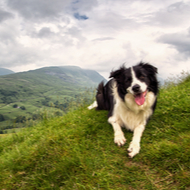
Pet owners urged to plan ahead of holidays this summer. 

Vets in some of the UK’s top tourist destinations are said to be 'busier than ever' ahead of the easing of coronavirus restrictions on Monday (19 July).

The BVA says that it has been hearing from members in the South West in particular about an influx of tourists and the need for pet owners to plan ahead if they need access to veterinary provisions.


With a rise in holiday bookings, the start of the school summer holidays, and an increase in pet ownership during the pandemic, it could put extra pressure on many practices already struggling with the impact of COVID-19.

In a bid to avoid overwhelming practices in popular holiday hotspots, the BVA has put together a checklist that includes specific actions owners can take ahead of their ‘Great British Petaway’. 

The actions include speaking to their local vet about preventive healthcare before travelling, making sure they have enough supplies of any medication their pet might be taking, and identifying a local vet in the area where they will be staying. 

BVA Senior Vice President Daniella Dos Santos said: “We’re hearing from vets in popular holiday hotspots that they are already busier than ever, and with lockdown restrictions easing and school holidays around the corner, summer breaks in the UK with pets are only expected to soar. 

“Pets are a huge part of the family and so it’s understandable that some owners will want to take them along on holiday, but it’s important to plan in advance. Of course, emergencies may happen and vets will always be there for you and your pets, but with some preparation ahead of travel, you can help avoid overwhelming local veterinary practices in your destination as well as ensure peace of mind for you and top health for your pet.”


Become a member or log in to add this story to your CPD history

Defra shares new Sanitary and Phytosanitary guidance

News Story 1
 Defra has published guidance for the vet sector ahead of a proposed UK-EU Sanitary and Phytosanitary agreement.


The agreement, which will change the movement and trade of animals and related products, could see reductions in checks, paperwork and certification. As well as describing regulatory developments, the advice highlights the importance of animal ID, registration and traceability in disease control and other compliance arrangements.

The guidance can be found here. More detail is expected as negotiations progress. 

Click here for more...
News Shorts
BSAVA publishes fifth Manual of Canine and Feline Neurology

The BSAVA has published the fifth edition of its BSAVA Manual of Canine and Feline Neurology.

The new edition has been reviewed and updated, including new developments in diagnostics, therapeutic approaches and clinical decision-making. It is structured to support clinicians through diagnosis, treatment and long-term management.

The guide features five new chapters covering acute myelopathies, chronic myelopathies, emergency protocols, neurotoxicology and neuro-oncology.

It also includes over 100 videos, including demonstrations of neurological examinations, clinical presentations and diagnostic procedures.

Nicola Lloyd, publishing manager, said: "Whether you're a general practitioner seeking practical guidance, or a specialist aiming to refine your expertise, this edition remains an indispensable reference for anyone involved in the care of neurologically compromised dogs and cats."