


Scientists devise tasty solution to global plastic crisis
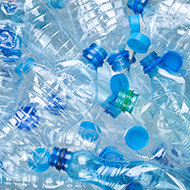
The team used E.coli to transform a used plastic bottle into vanillan.
Scientists at the University of Edinburgh have come up with a novel way to tackle the growing plastic pollution crisis – by transforming plastic waste into vanilla flavouring.
Their study published in the journal Green Chemistry describes how they used the common bacteria E.coli to turn plastic waste into vanillin, the primary component of extracted vanilla beans.
Researchers say the development could strengthen the circular economy, which is based on the principles of designing out waste and pollution, keeping products and materials in use, and regenerating natural systems.
“This is the first example of using a biological system to upcycle plastic waste into a valuable industrial chemical, and this has very exciting implications for the circular economy,” commented study author Joanna Sadler. “The results from our research have major implications for the field of plastic sustainability and demonstrate the power of synthetic biology to address real-world challenges.”
Responsible for the characteristic taste and smell of vanilla, vanillin is widely used in cosmetics, herbicides and cleaning products. In 2018, the global demand for the component stood at a staggering 37,000 tonnes.
In the study, researchers used lab-engineered E.coli to turn terephthalic acid (PET) (a strong plastic commonly used in food packaging) into the high-value compound vanillin through a series of chemical reactions.
The team also transformed a used plastic bottle into vanillin by adding the E.coli to the degraded plastic waste. Scientists believe the product is fit for human consumption, but further testing is still required.
“Our work challenges the perception of plastic being a problematic waste and instead demonstrates its use as a new carbon resource from which high-value products can be obtained,” said Dr Stephen Wallace, principle Investigator of the study.
Besides food packaging, PET is also used in convenience-sized juices and water. Around 50 million tonnes of PET plastic is produced every year, which has serious environmental and economic impacts.
It is possible to recycle PET, but current methods create products that only add to the growing problem of plastic pollution.


 BVA has announced a new series of its Building Great Workplaces lunchtime webinars.



