


Kennel Club welcomes commitments to tackle puppy smuggling
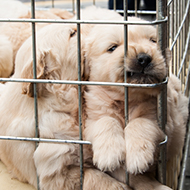
Imported puppies are often bred in unsanitary conditions and transported across great distances without space to move.
The Kennel Club has hailed new government commitments to tackle puppy smuggling as “an important step forwards for animal welfare”.
The Animal Welfare (Kept Animals) Bill, announced on Monday (8 June), includes legislation that will restrict puppy and dog imports on welfare grounds, such as increasing the minimum age of imported puppies and restricting imports of dogs with cropped ears.
The Kennel Club has long campaigned against the unethical trade of puppy smuggling and its devastating consequences. Imported puppies are often bred in unsanitary conditions and travel great distances without enough food, water or space to move.
Dr Ed Hayes, head of public affairs at The Kennel Club, said: "With the suffering caught up in the illegal import trade, and unscrupulous importers greedily rushing to fill the gap during the pandemic puppy boom, the new commitments and measures from the government to crack down on this are absolutely essential.
“The Kennel Club has also always been against ear cropping, leading the ban in the UK over 100 years ago, so the steps outlined to restrict the import of dogs with cropped ears are an important step forwards for animal welfare.”
Dr Hayes also welcomed reforms on sheep worrying, that will give new powers to the police to provide greater protection to livestock from dangerous and out of control dogs.
“With more people enjoying the great outdoors during the pandemic, alongside the reported increase in dog ownership, it’s crucial that everyone understands their responsibilities and there is clear messaging and laws to ensure the safety of people, animals and the environment,” he said.
“We look forward to seeing further details and working with DEFRA and MPs to finalise this important and wide-ranging bill, for the sake of the nation’s much-loved pets.”


 Defra has published guidance for the vet sector ahead of a proposed UK-EU Sanitary and Phytosanitary agreement.



