


Anaesthetists sought for study into equine mortality
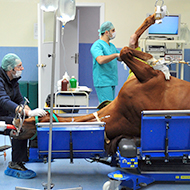
Previous studies have shown that anaesthetic fatalities are 10 times more likely in equines than other animals.
Researchers at the Royal (Dick) School of Veterinary Studies are seeking anaesthetists and equine clinicians for a study exploring equine mortality associated with general anaesthesia and standing sedation.
Findings from the study, known as Confidential Enquiry into Perioperative Equine Fatalities (CEPEF4), will highlight trends in equine anaesthetic practice and the outcomes, in terms of disease and mortality.
Previous studies have shown that anaesthetic fatalities are 10 times more likely for equines than other animals, such as cats and dogs. The team behind the project hope to lower this risk of death by shining the spotlight on practices linked to higher fatality.
The study follows a similar initiative, known as CEPEF2, that compiled more than 40,000 cases from 62 centres across the globe, and identified several potential contributors to the high risk of anaesthetic-associated mortality.
With this latest study, the team hopes to gather a similar number of cases relating not only to general anaesthesia but also those that can be performed on standing horses. Five months into the project, they already have amassed more than 7,000 cases from more than 65 collaborating centres.
It is being led by the Royal (Dick) equine veterinary services in collaboration with specialists from CEU Cardenal Herrera University, Spain and the University of Zürich, Switzerland.
“In the two decades since the last study of this type, there have been many improvements in anaesthesia practices and technology,” commented Miguel Gozalo-Marcilla, senior lecturer in veterinary anaesthesia and analgesia at Edinburgh.
“We hope to generate a large dataset from different clinics around the world, to assess current trends and practices, and point to potential improvements in anaesthesia for horses and other equine animals.”


 Eligible members of BEVA will be able to vote for their Council team until Monday, 17 August 2026. Members will have received an election email on 17 July.



