


NOAH launches 2021 #VaccinesWork campaign
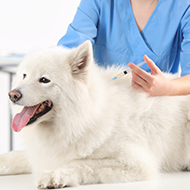
Around 81 per cent of people agree that vaccines should be routinely given to pets.
The National Office of Animal Health (NOAH) has launched a new campaign to highlight the importance of innovation to produce new vaccines.
The #VaccinesWork campaign follows a recent survey commissioned by AnimalhealthEurope that found people have a good awareness of what vaccines do and their benefits to animals.
Of the 6,000 respondents, around 79 per cent of participants agreed that vaccines should be used regularly in our farm animals, while 81 per cent agreed they should be routinely given to pets. More than half of respondents (61 per cent) supported the use of new technologies for animal vaccinations.
“The COVID-19 pandemic has shone a spotlight on the importance of vaccination in helping to protect us from disease and to reduce the transmission of infection,” explained NOAH chief executive Dawn Howard. “It has shown how industry can work alongside others to address threats from emerging diseases – it has undoubtedly helped improve public understanding of the importance of vaccination.
“Our industry can respond to emerging animal diseases, helping slow or even halt their transmission, including through the development of new, innovative vaccines. With the forthcoming review of the UK veterinary regulatory process later this year, we have an opportunity to ensure the UK can incentivise innovation, product research and development, including for novel vaccines,” she said.
Besides highlighting the importance of vaccinations to protect the health of animals, the new campaign will explain how everyone involved will need to work together to improve vaccine uptake.
“Despite people’s awareness of benefits, not every animal is protected, and we will be working to help increase the number of animals that are, to improve their welfare and quality of life,” Ms Howard continued. “As we move into a new phase of the pandemic, it is right that animal vaccination should be a priority in the UK and globally. Because after all, #VaccinesWork.”


 Veterinary practices are being urged to help owners safely dispose of any unused and expired pet medicines - not just antibiotics - during November's Animal Medicines Amnesty.



