


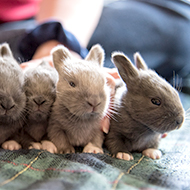
SRUC researchers find UK legislation surrounding rabbits is lacking.
A recent review by Scotland's Rural College (SRUC) has revealed that pet rabbits are under-represented in most legislation.
The college conducted a review of animal welfare legislation in the UK, highlighting the difference in government guidelines across the country, as well as the areas in need of improvement.
The review showed that pet legislation generally focuses on commercial activities involving animals, such as pet sales, boarding or exhibitions. Particular focus has also been given to the regulation of dog breeding.
According to SRUC, the most consistent omission in legislation was the lack of guidance regarding breeding pet rabbits.
England currently does not have codes of practice for pet rabbits and owners are often referred to farmed rabbit codes. In Scotland, Wales and Northern Ireland, codes of practice refer to the general care and management of pet rabbits, but do not give recommendations on appropriate breeding management.
SRUC researcher Laura Dixon said: “Rabbits are the third most popular pet in the UK and while charity organisations like the RWAF and RSPCA have guidance on housing and management, there are no government recommendations for breeding pet rabbits, only for lab and meat rabbits.
“Being housed in unsuitable environments can cause stress and frustration leading to, or exacerbating, behavioural problems, such as fur pulling or bar biting. It can also lead to increased obesity and decreased bone strength due to lack of exercise.
“We’re hoping that by illustrating the inequality for pet rabbits, this will prompt the different governments to draft guidance for breeding pet rabbits.”


 Eligible members of BEVA will be able to vote for their Council team until Monday, 17 August 2026. Members will have received an election email on 17 July.



