


Veterinary mobile phones contaminated with bacteria, study finds
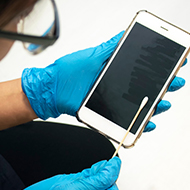
Stapphylocci were found on 68 per cent of the PEDs swabbed.
Almost 70 per cent of tablets and mobile phones used in veterinary hospitals are contaminated with Staphylococcus bacteria, according to new research.
The study published in the Journal of Small Animal Practice found that 68 per cent of portable electronic devices (PEDs) used by veterinary team members are contaminated with Staphylococci, including strains resistant to vancomycin and oxacillin.
In the study, researchers took swab samples from the screen and buttons of PEDs (such as mobile phones and tablets) of staff working with canine and feline patients. They also asked the participants to complete a questionnaire to discover how often their PEDs are used and to ascertain the frequency and method of PED cleaning.
Study author Georgia Vinall said: “Useable swab samples were taken from 47 devices; Staphylococcus spp. were cultured from 68 per cent of PEDs with a median of 10 colonies grown per device.
“Vancomycin-resistant Staphylococcus spp. were found on 36 per cent of devices, whilst oxacillin-resistant Staphylococcus spp. were cultured from two per cent of devices. DNA sequencing identified three Staphylococcus species; S. capitis, S. epidermidis and S. hominis which are most likely associated with humans as either sources or transmission vectors.”
Ms Vinall continued: “The results of the survey indicate that 96 per staff of staff had a PED which they used in the hospital environment, of which 85 per cent use their device every day. Despite the high usage of PEDs in the hospital environment, only six per cent of staff cleaned their device daily, with 33 per cent of staff cleaning their PED less than weekly. Furthermore, only 54 per cent of staff cleaned their device with a disinfectant.”
JSAP editor Nicola Di Girolamo said: “This study demonstrates that PEDs may become contaminated with potentially pathogenic microorganisms. Although this specific study did not focus on transmission of these microorganisms, and therefore it is unclear what are the clinical implications of this finding, it seems prudent to develop appropriate protocols for cleaning of PEDs in veterinary hospitals.”

 The latest



