


Charities highlight importance of feline neutering for World Spay Day
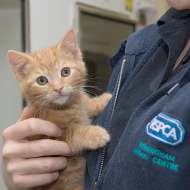
Three out of 10 people believe it's acceptable for a female cat to have a litter of kittens before being spayed.
Feline and veterinary charities have joined forces this World Spay Day (23 February) to launch a new animation highlighting the importance of neutering.
Launched by the Cat Population Control Group, the animation (see below) comes in response to new figures showing that eight out of ten people are unaware their cat can become pregnant from four months old.
The figures released by Cats Protection also show that three out of 10 people believe it’s acceptable for a female cat to have a litter of kittens before being spayed.
“These findings suggest some owners could unwittingly add to the unwanted kitten problem in the UK by allowing their cats to breed,” explained Sarah Reid, acting head of neutering for Cats Protection.
“Female cats have no emotional need to be mothers and could suffer serious health complications by becoming pregnant at such a young age. Keeping un-neutered cats indoors and apart is the best way to protect the health of your pet and reduce unwanted kittens, so we hope owners take note of this for World Spay Day and beyond.”
The new animation calls on owners to consider what might happen if they don't neuter their cat, highlighting some of the key benefits of the spay and neuter procedure. It also touches on potential delays resulting from COVID-19, urging owners to be patient for an appointment while vets understandably prioritise emergencies.
Alice Potter, RSPCA cat welfare expert, said: “Sadly, we see the dark side of the cat overpopulation crisis as every year we are called out to kittens which have been abandoned by the roadside or dumped in bins because they were an unexpected litter.
“Finding the space to care for them and finding new loving owners to adopt all these cats can be really challenging, especially during the summer months when the intake numbers of cats can soar. We, and other charities, believe neutering a cat from four-months-old is the key to help tackle this.”
The Cat Population Control Group includes RSPCA, iCat Care, Cats Protection, PDSA, Battersea, Blue Cross, the Scottish SPCA, Wood Green, Mayhew, Celia Hammond and Pets at Home.


 Veterinary practices are being urged to help owners safely dispose of any unused and expired pet medicines - not just antibiotics - during November's Animal Medicines Amnesty.



